

At Thesun Industry, we work with global clients to produce precision custom metal stamping parts used in automotive systems, electronics, consumer appliances, and industrial equipment. Metal stamping is one of the most efficient manufacturing methods for producing complex metal components in large volumes with consistent quality.
For engineers, procurement managers, and product developers, understanding the main metal stamping techniques helps ensure that the right process is selected for a specific application. In this guide, we explain how the stamping process works, what role dies play, and the most common stamping methods used by modern manufacturers and suppliers.
What Is the Process of Metal Stamping?
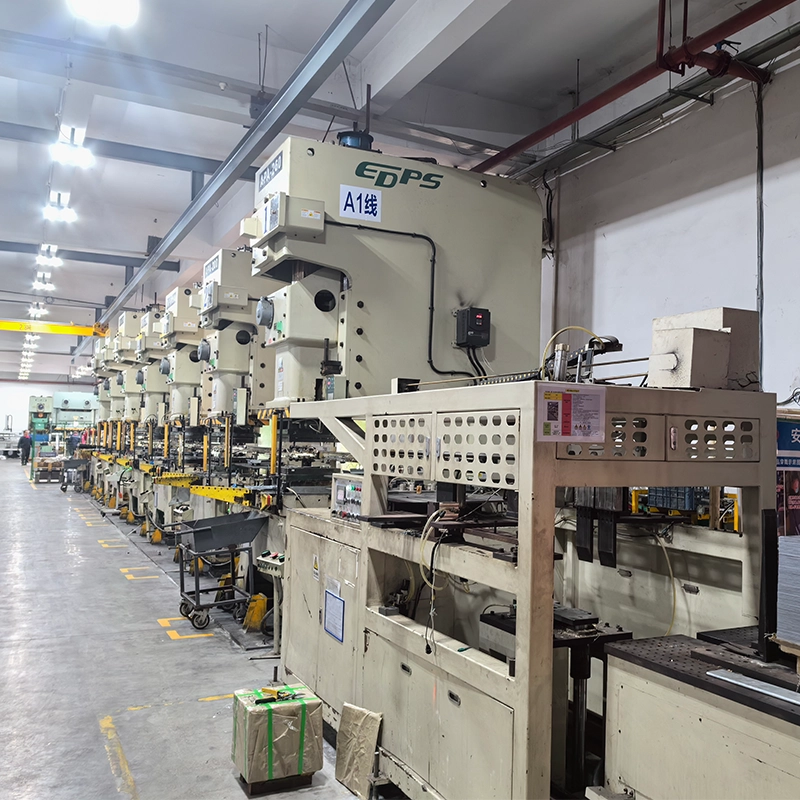
Metal stamping is a manufacturing process that shapes flat metal sheets into specific forms using dies and stamping presses. The process involves placing a metal sheet or coil into a stamping press, where a tool and die surface form the metal into the desired shape through pressure.
The metal stamping process typically includes several operations such as:
- Blanking – cutting a flat shape from sheet metal
- Punching – creating holes or slots
- Bending – forming angles or curves
- Coining – applying high pressure to refine details
- Drawing – stretching the metal into deeper shapes
These operations may be performed individually or combined in a single stamping cycle depending on the complexity of the part.
One of the major advantages of metal stamping is its ability to produce high volumes of parts quickly while maintaining tight tolerances. For companies requiring custom metal stamping parts, the process offers excellent scalability and repeatability.
Modern manufacturers and suppliers often integrate stamping with secondary operations such as tapping, welding, plating, and assembly, providing customers with a complete one-stop service solution.
What Is a Die in Metal Stamping?
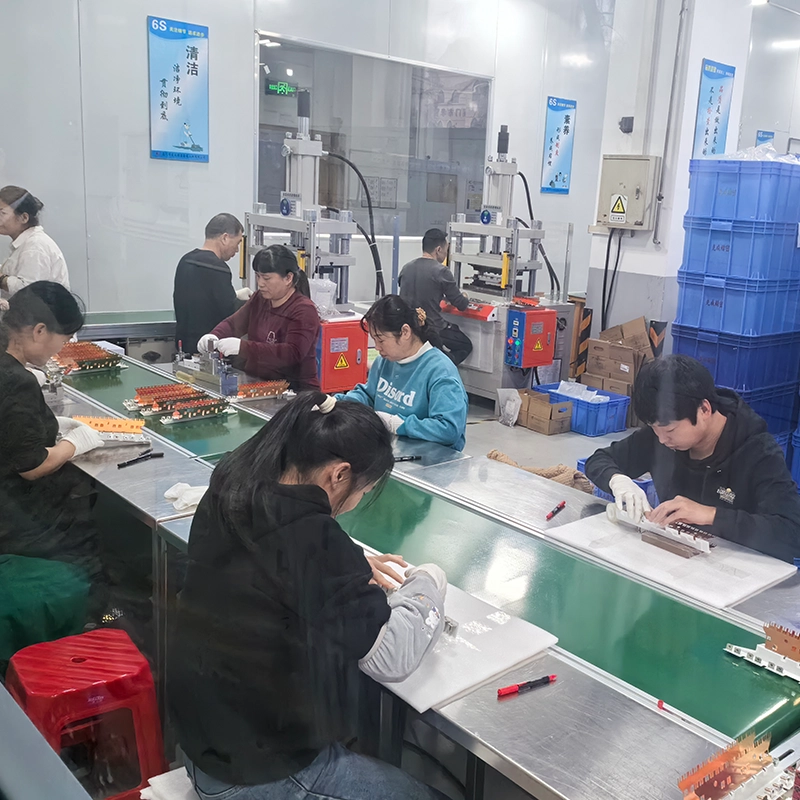
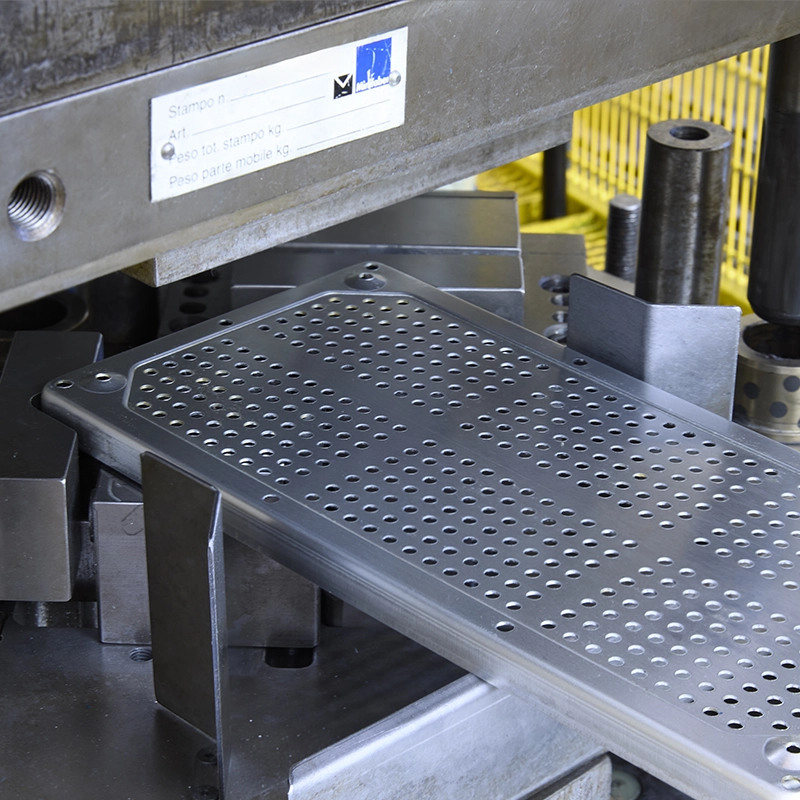
A die is a specialized tool used to cut or shape metal during the stamping process. Dies are usually made from hardened tool steel and are designed to withstand repeated high-pressure operations.
A typical stamping die consists of two main sections:
- Upper die (punch) attached to the press slide
- Lower die (die block) attached to the press bed
When the press closes, the punch forces the metal sheet into the die cavity, forming the desired geometry.
Dies are precision-engineered components that determine the final shape, dimensions, and quality of the stamped part. High-quality tooling is essential for consistent production and long die life.
At professional stamping factories, die design is optimized using CAD/CAM engineering software and simulation tools. This helps manufacturers reduce scrap, improve efficiency, and maintain dimensional accuracy throughout production.
What Are the Different Types of Metal Stamping?
Different stamping techniques are used depending on part complexity, production volume, and material properties. The most widely used methods include progressive die stamping, multi-slide stamping, and high-speed reel-to-reel stamping.
Progressive Die Stamping (High Volume, High Precision)
Progressive die stamping is one of the most common and efficient metal stamping methods used in modern manufacturing.
In this process, a metal strip moves through a series of stations within a single die. Each station performs a specific operation such as punching, bending, or forming. As the strip advances, the part gradually takes its final shape.
Advantages include:
- High production speed
- Consistent precision
- Reduced labor costs
- Minimal material handling
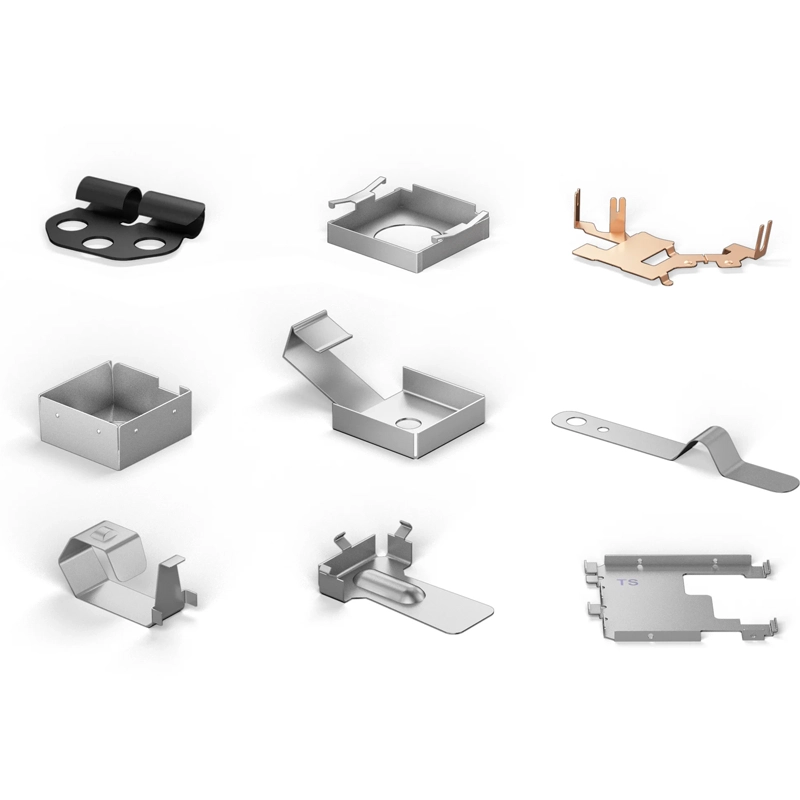
Progressive die stamping is ideal for high-volume production of components such as brackets, clips, electronic housings, and automotive parts.
Many custom metal stamping parts manufacturers rely on progressive dies to achieve both precision and cost efficiency.
Four-Slide / Multi-Slide Stamping (Complex Forms, Minimal Scrap)
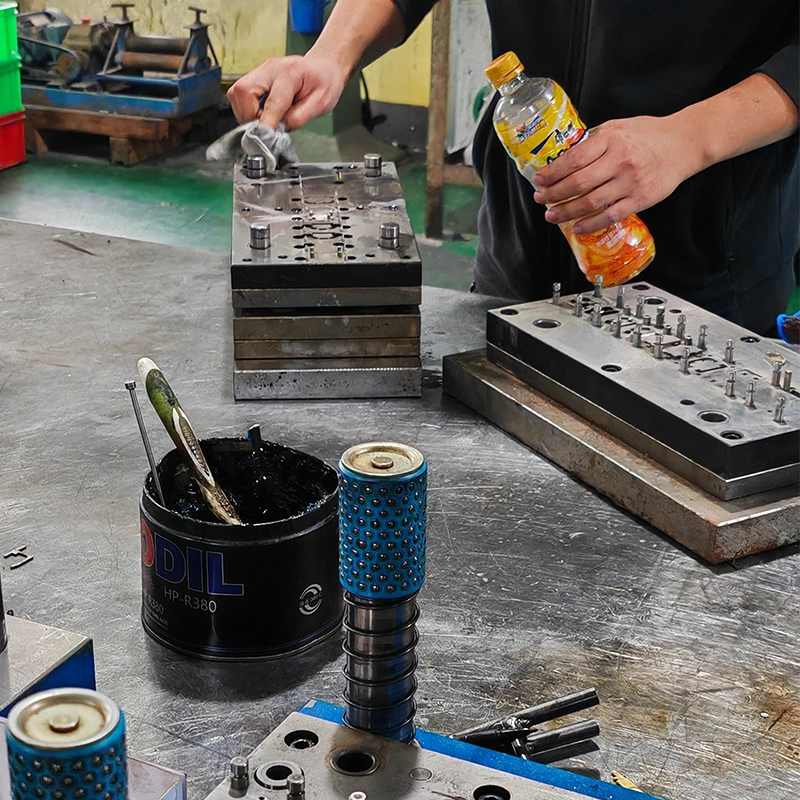
Four-slide stamping, also known as multi-slide stamping, is designed for producing complex metal components that require multiple bends or forming operations.
Unlike traditional presses, four-slide machines use four moving slides that approach the workpiece from different directions. This allows the machine to perform several forming actions simultaneously.
Benefits include:
- Ability to create intricate shapes
- Reduced material waste
- Lower tooling costs for complex parts
- Efficient production of small components
This technique is commonly used for springs, clips, electrical contacts, and small precision parts used in electronic assemblies.
Because of its flexibility, many metal stamping suppliers recommend multi-slide stamping for parts that would otherwise require multiple secondary processes.
High-Speed Reel-to-Reel Stamping (Terminals, Lead Frames & Connectors)
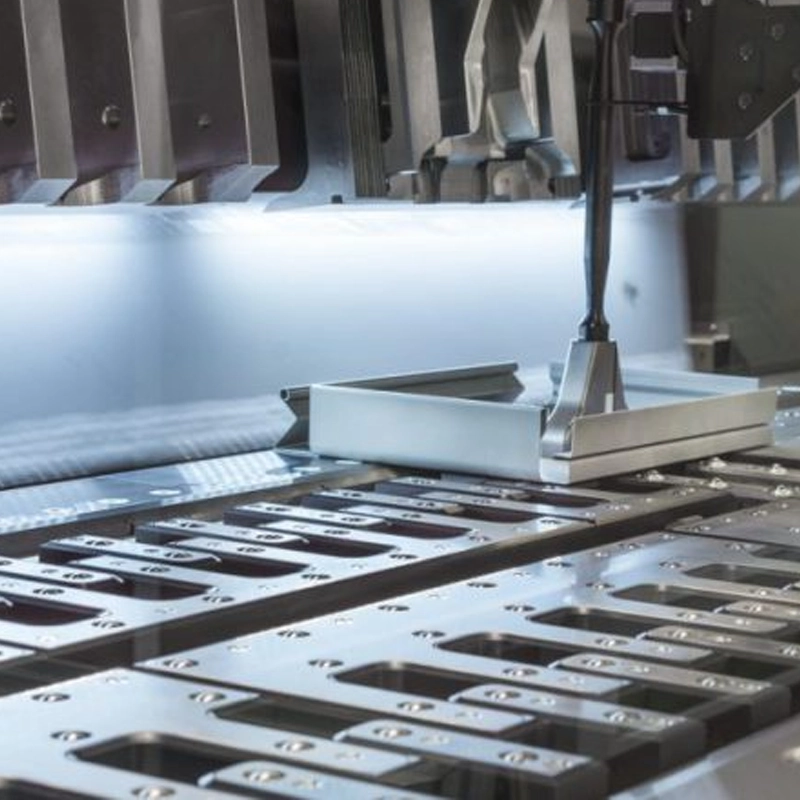
High-speed reel-to-reel stamping is a specialized process used to manufacture electronic components such as connectors, lead frames, and terminals.
In this process, metal coils are continuously fed into a high-speed stamping press, producing parts in rapid succession. The finished components remain attached to a carrier strip, making them easier to handle during plating, inspection, and automated assembly.
Key advantages include:
- Extremely high production rates
- Excellent dimensional consistency
- Efficient integration with automated manufacturing lines
This method is widely used in industries such as consumer electronics, telecommunications, and semiconductor manufacturing.
What Gauge Metal for Stamping?
The thickness of sheet metal used in stamping is referred to as the metal gauge. The appropriate gauge depends on the application, mechanical strength requirements, and forming complexity.
Common materials used in metal stamping include:
- Stainless steel
- Carbon steel
- Aluminum
- Copper and brass alloys
Thin gauges are often used for electronic components and precision parts, while thicker gauges are preferred for structural components such as brackets or housings.
Experienced manufacturers and factories evaluate several factors when selecting the correct material gauge:
- Mechanical strength requirements
- Formability of the material
- Tooling durability
- Cost efficiency for mass production
Choosing the correct material thickness ensures the stamped part maintains both structural integrity and manufacturing efficiency.
Conclusion
Metal stamping is a highly efficient and scalable manufacturing process used to produce precision metal components across many industries. Techniques such as progressive die stamping, four-slide stamping, and high-speed reel-to-reel stamping allow manufacturers to create complex parts with exceptional consistency and productivity.
Understanding these stamping methods helps engineers and procurement teams choose the most suitable production approach for their products.
At Thesun Industry, our factory specializes in producing custom metal stamping parts for global clients. As an experienced manufacturer and supplier, we provide comprehensive one-stop service, including tooling design, stamping production, surface finishing, and assembly.
If you are developing a new product or searching for reliable metal stamping suppliers, feel free to contact our team. We are happy to provide engineering support, custom service solutions, and competitive manufacturing quotes for your next project.
