

From automotive systems and industrial valves to bathroom hardware and electronic connectors, metal springs play a critical role in modern manufacturing. These precision-engineered components control force, absorb shock, maintain tension, and improve mechanical reliability across thousands of applications. For OEM buyers and industrial engineers, understanding how metal springs are manufactured helps improve sourcing decisions, product durability, and overall system performance.
Behind every high-performance spring is a carefully controlled manufacturing process involving material selection, wire forming, heat treatment, precision testing, and surface finishing. Whether producing compression springs, torsion springs, or stamped springs, manufacturers must balance elasticity, fatigue resistance, dimensional accuracy, and production efficiency.
As one of the experienced wire spring manufacturers serving global industrial markets, Thesun Industry supports customers with precision spring steel stamping, custom wire forming springs, and engineered spring solutions for automotive, electrical, bathroom hardware, and industrial equipment applications.
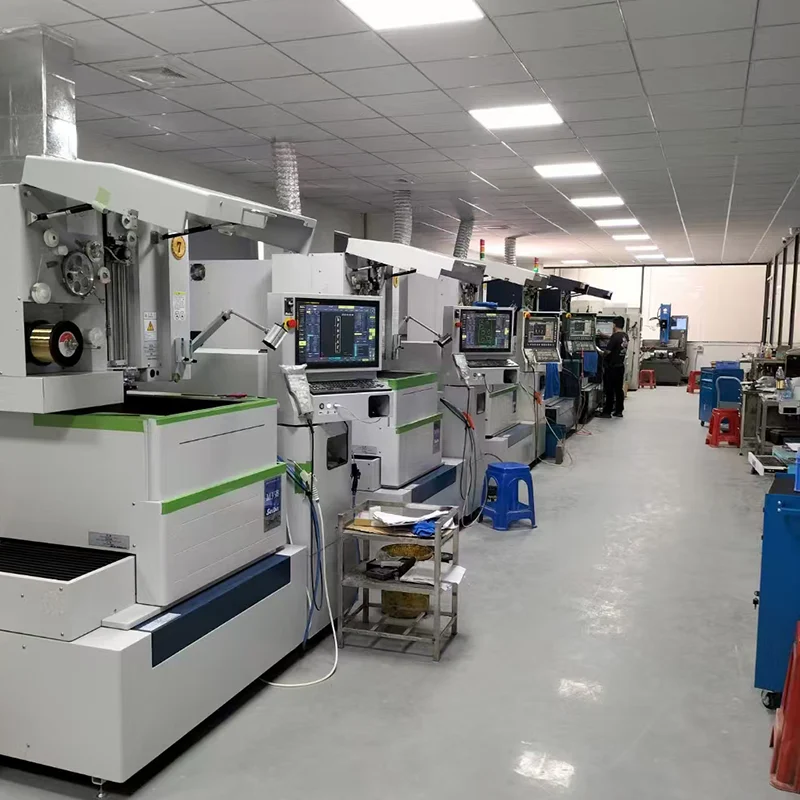
Selecting Professional-Grade Spring Materials
The performance of metal springs starts with material quality. Different applications require different levels of elasticity, corrosion resistance, tensile strength, and fatigue life.
Common spring materials include:
- Stainless steel
- Music wire
- Carbon steel
- Phosphor bronze
- Beryllium copper
- Inconel alloys
For bathroom hardware and humid environments, stainless steel metal springs are widely preferred because of their corrosion resistance and long-term durability.
Key material selection factors include:
- Operating temperature
- Load requirements
- Corrosion exposure
- Electrical conductivity
- Fatigue cycle expectations
- Cost targets
Professional wire spring manufacturers often work closely with OEM customers during early engineering stages to optimize both performance and manufacturing cost.
The Spring Manufacturing Process: Step-by-Step
Modern metal spring manufacturing combines automated CNC forming technology with strict quality control systems to ensure stable performance and dimensional consistency.
1. Coiling: Cold vs. Hot
Coiling is the core forming process used to shape the spring.
Cold Coiling
Cold coiling is commonly used for smaller wire diameters and high-precision springs. CNC coiling machines form the spring wire at room temperature with excellent dimensional accuracy.
Hot Coiling
Hot coiling is used for larger springs requiring thicker wire diameters and higher load capacities. The wire is heated before forming to improve flexibility during shaping.
Advantages of CNC Coiling:
- High production efficiency
- Consistent dimensions
- Reduced material waste
- Improved repeatability
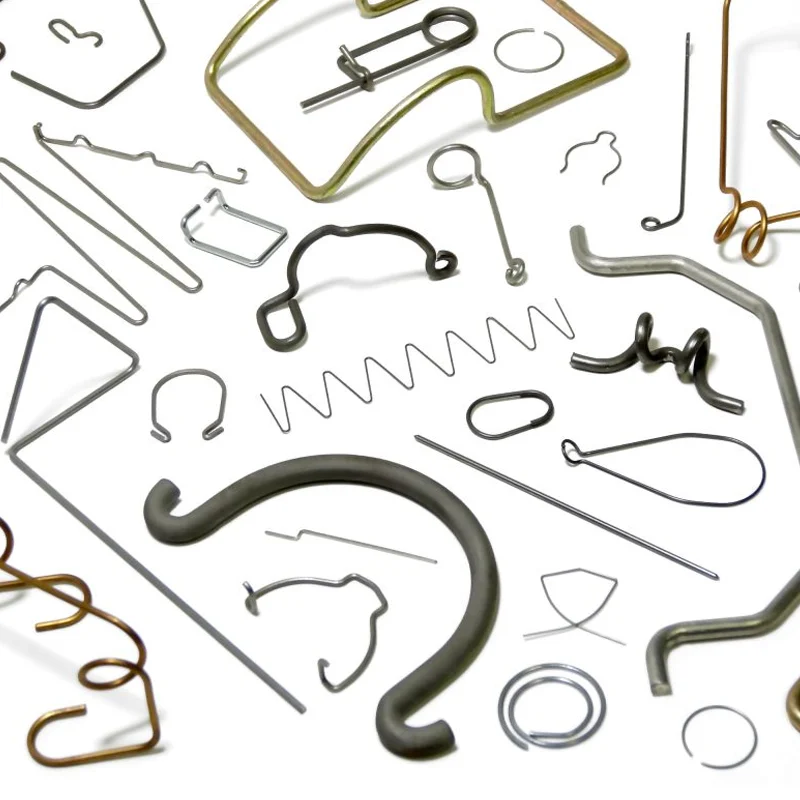
2. Cutting to Length
After coiling, springs are cut precisely according to engineering specifications. Accurate cutting is critical because even small dimensional variations can affect compression force and assembly performance.
Advanced automated cutting systems help improve production stability while reducing burr formation.
3. Stress Relieving (Heat Treatment)
Heat treatment is essential for restoring molecular stability after forming.
During coiling, internal stress develops within the metal structure. Stress-relieving processes help improve:
- Elastic recovery
- Fatigue resistance
- Dimensional stability
- Long-term durability
Controlled furnace temperatures and cycle times are critical to maintaining consistent spring performance.
4. End Grinding for Stability
Compression springs often require end grinding to create flat, stable contact surfaces.
Proper grinding improves:
- Load distribution
- Assembly alignment
- Spring stability
- Compression consistency
For industrial and bathroom hardware applications, precision-ground ends reduce operational vibration and premature wear.
5. Shot Peening for Fatigue Life
Shot peening strengthens spring surfaces by applying controlled compressive stress through high-speed metallic media impact.
Benefits include:
- Improved fatigue resistance
- Longer service life
- Reduced crack formation
- Better load durability
This process is especially important for automotive suspension systems and high-cycle industrial springs.
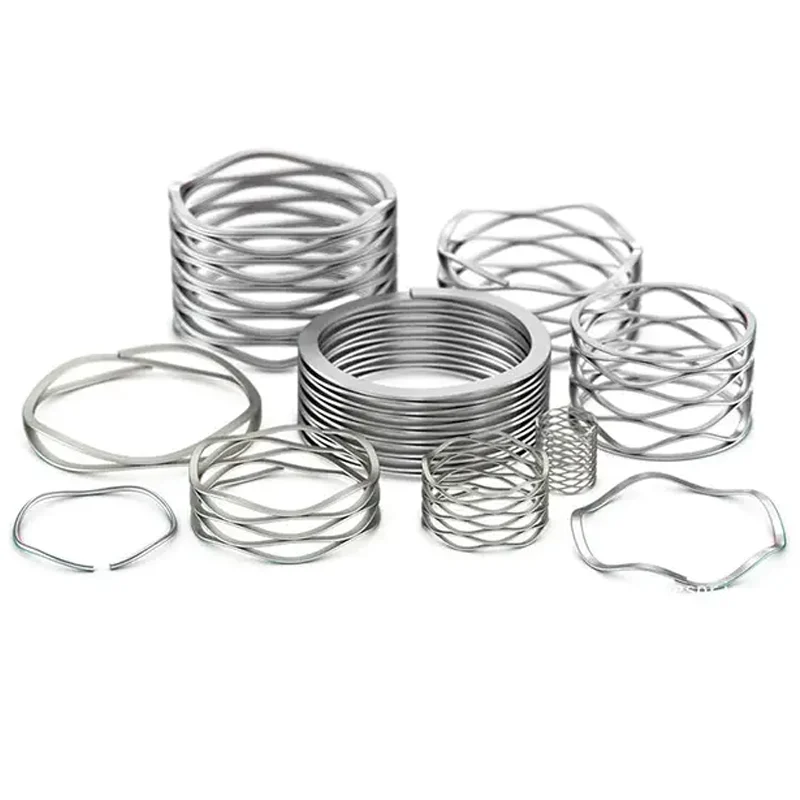
6. Setting and Quality Testing
Spring setting compresses the spring beyond its working range to stabilize its final dimensions and load characteristics.
Quality testing may include:
- Load testing
- Dimensional inspection
- Fatigue cycle testing
- Salt spray testing
- Tensile testing
Advanced inspection equipment ensures every batch meets engineering tolerances and customer specifications.
7. Powder Coating: Protection That Moves
Surface coatings improve both corrosion resistance and product appearance.
Common finishes include:
- Zinc plating
- Nickel plating
- Powder coating
- Passivation
- Black oxide
For humid or corrosive environments such as bathroom hardware systems, protective coatings significantly improve service life.
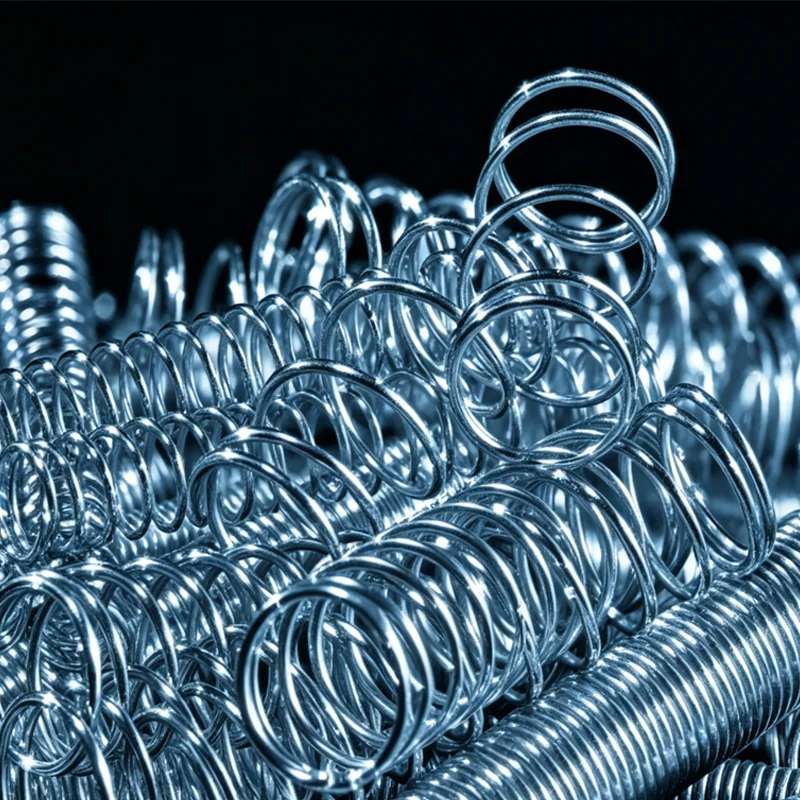
Common Types of Springs and Their Manufacturing Challenges
Different spring designs require unique manufacturing methods and engineering expertise.
Compression Springs
Compression springs are designed to resist compressive force.
Common applications
- Faucets
- Valve systems
- Electrical devices
- Automotive assemblies
The biggest manufacturing challenge is maintaining flat, parallel ends while controlling load consistency.
Extension Springs
Extension springs operate under tensile force and typically include hooks or loops at both ends.
The primary challenge lies in forming durable hook structures without creating stress concentration points that may cause premature failure.
Torsion Springs
Torsion springs generate rotational force and require highly accurate leg positioning.
Manufacturing difficulties include:
- Maintaining consistent torque
- Controlling angular precision
- Preventing deformation during forming
Precision mandrel selection is critical for torsion spring consistency.
Why Choose Us
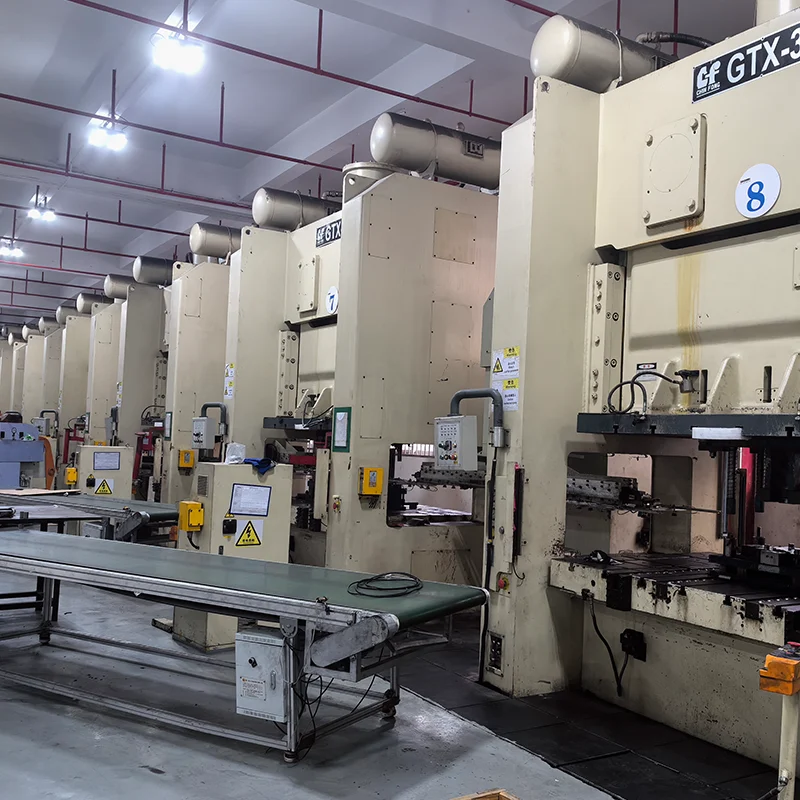
Reliable spring manufacturing requires far more than wire bending equipment. Successful OEM production depends on precision engineering, advanced tooling capability, strict inspection systems, and stable manufacturing processes.
Thesun Industry specializes in custom metal springs, wire forming springs, stamped springs, and spring steel stamping solutions for industrial, electrical, automotive, and bathroom hardware applications.
For customers seeking durable and corrosion-resistant products, our Stainless Steel Metal Springs provide excellent elasticity, long fatigue life, and superior environmental resistance. These springs are widely used in sanitary hardware systems, electrical connectors, valve assemblies, and precision industrial equipment.
Why customers choose our stainless steel spring solutions:
- Excellent corrosion resistance
- Stable mechanical performance
- Long fatigue lifecycle
- High dimensional precision
- Suitable for humid and high-load environments
From a B2B manufacturing perspective, Thesun Industry provides:
- Advanced CNC spring coiling systems
- Precision wire forming equipment
- Automated spring steel stamping production
- Strict QC systems and dimensional inspection
- Fast tooling development support
- OEM and ODM manufacturing capability
- Competitive pricing for volume production
- One-stop engineering and assembly solutions
Our engineering team supports customers from prototype development through mass production with optimized DFM analysis and production efficiency improvements.
Conclusion
Metal springs may appear simple, but their manufacturing process involves highly controlled engineering, material science, and precision production technology. From coiling and heat treatment to shot peening and quality inspection, every process directly impacts spring performance and reliability.
For OEM buyers, choosing experienced wire spring manufacturers helps reduce production risks while improving product durability and long-term operational stability.
Whether you require wire forming springs, spring steel stamping solutions, or custom stainless steel springs for industrial applications, partnering with a reliable manufacturing supplier can significantly improve your product quality and supply chain efficiency.
Thesun Industry welcomes global OEM customers to discuss custom spring projects, engineering support, and scalable production solutions.
FAQs
Q: What are springs made of?
Most metal springs are manufactured using stainless steel, carbon steel, music wire, phosphor bronze, or specialty alloys depending on application requirements.
Q: What are springs made out of for heavy industrial use?
Heavy industrial springs often use high-strength alloy steel or stainless steel materials with enhanced fatigue and corrosion resistance.
Q: How are springs manufactured step by step?
The typical process includes coiling, cutting, heat treatment, grinding, shot peening, surface finishing, and quality inspection.
Q: What is the spring manufacturing process used in industry?
Industrial spring manufacturing combines CNC coiling technology, automated wire forming, precision heat treatment, and advanced inspection systems.
Q: How does shot peening improve spring life?
Shot peening introduces compressive stress on the spring surface, improving fatigue resistance and reducing crack formation during repeated loading cycles.
