

In the world of manufacturing, choosing the right casting method can make or break your production process. Two popular casting techniques—die casting and sand casting—are commonly used to produce metal parts, but each has its own strengths and limitations. Whether you’re working on high-precision parts for the automotive industry or need to produce large-scale, durable components for machinery, it’s crucial to know which method will meet your needs. At TheSunIndustry, we specialize in both processes, and today, we’ll break down the differences between die casting and sand casting to help you make an informed decision.
What is Die Casting?
Die casting is a precision metal casting process in which molten metal is forced into a mold cavity under high pressure. The metal solidifies quickly, and the result is a part with excellent surface finish, precise dimensions, and high structural integrity. The process uses durable steel molds, known as dies, that are capable of producing a large number of identical parts with minimal variation.
The key advantages of die casting are accuracy, speed, and efficiency. This method is ideal for mass production, especially when you need consistent, high-quality components with complex geometries. Aluminum, zinc, and magnesium are some of the most commonly used metals in die casting, though the process can be applied to other metals as well.
What is Sand Casting?
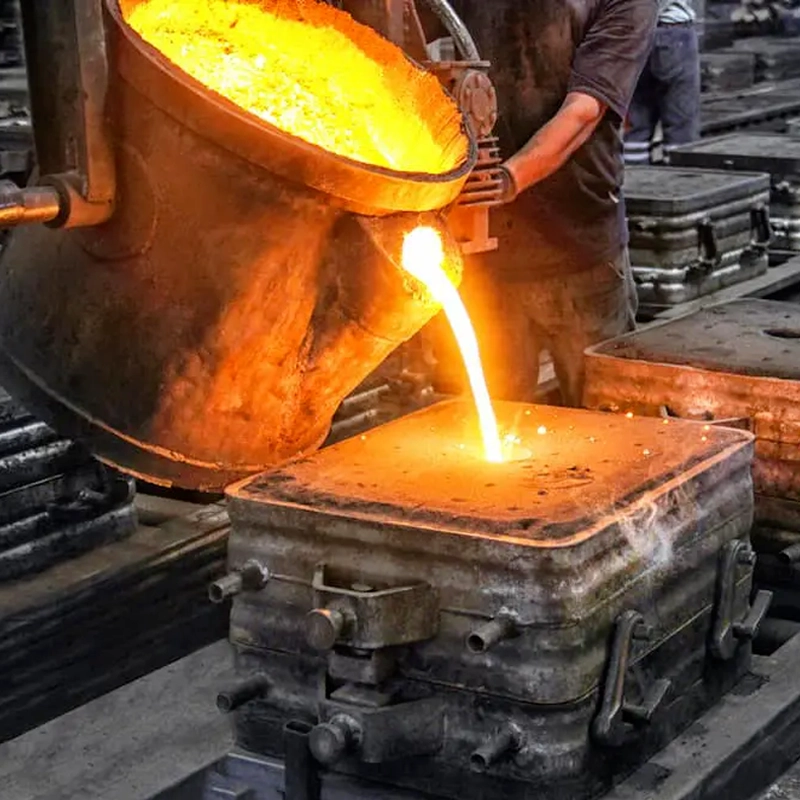
Sand casting, on the other hand, is a much older and more versatile technique. In sand casting, a pattern of the desired part is created in a mixture of sand and binder material. The pattern is then placed into a mold made of sand, and molten metal is poured into the mold cavity. After the metal cools and solidifies, the sand mold is broken away to reveal the casting.
While sand casting may not offer the same level of precision and surface finish as die casting, it does have its own set of benefits. Sand casting is highly cost-effective, particularly for small and medium-sized production runs. It also allows for more flexibility in terms of the types of materials used, including iron, steel, and non-ferrous alloys. The process is ideal for producing larger, heavier parts that don’t require the fine detail that die casting offers.
Key Differences Between Die Casting and Sand Casting
Now that we’ve broken down the basics of each method, let’s take a deeper dive into the differences between the two processes:
1. Precision and Detail
When it comes to accuracy, die casting is the clear winner. The high-pressure injection process allows for tight tolerances and smoother surface finishes. Die-cast parts often require little to no additional machining or finishing, which makes them ideal for industries that demand precision, like electronics or aerospace.
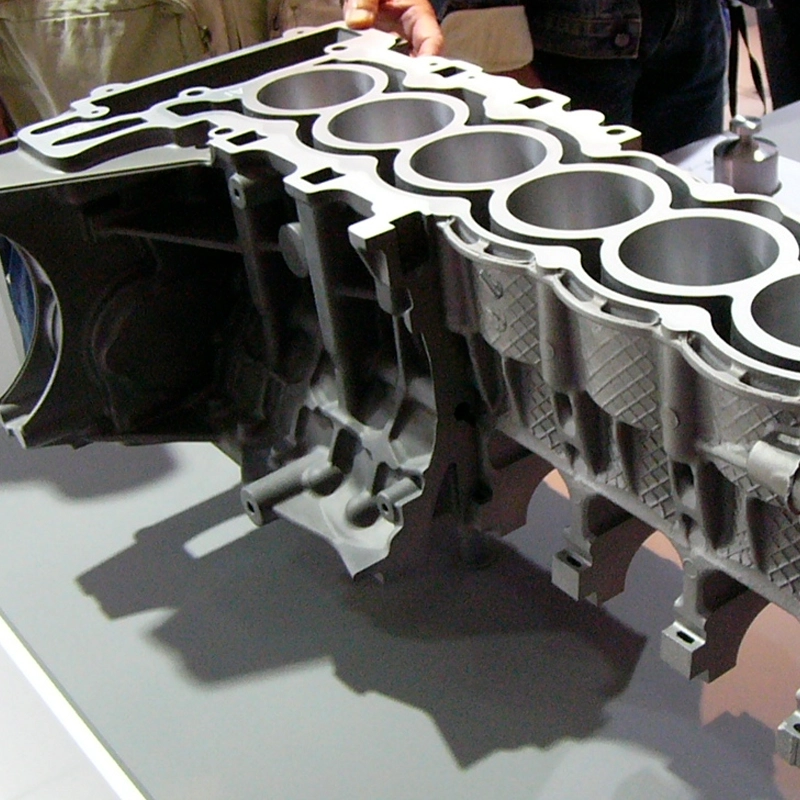
Sand casting, while versatile and cost-effective, cannot match die casting’s level of precision. The process is more suited for parts where minor imperfections or rougher surfaces are acceptable, such as engine blocks or large industrial components. That said, the flexibility of sand casting makes it a valuable option when intricate shapes or designs aren’t as critical.
2. Production Volume
For high-volume production runs, die casting is usually the better choice. The durability of the die and the speed of the process allow manufacturers to produce thousands or even millions of parts with minimal variation. Once the die is created, the process is fast and efficient.
Sand casting, on the other hand, is typically more time-consuming and better suited for lower-volume runs. The mold-making process is slower, and each mold is reused only a limited number of times before it needs to be replaced. If you’re looking to produce a large batch of small, intricate parts, die casting would be the way to go.
3. Material Options
While die casting excels with non-ferrous metals like aluminum, zinc, and magnesium, it has limitations when it comes to certain alloys. The high-pressure injection process can cause problems when working with metals that have high melting points, like steel or iron.
On the flip side, sand casting can accommodate a much wider range of materials, including ferrous metals like cast iron and steel, as well as non-ferrous alloys. It’s a great option for industries that need heavier parts or work with metals that can’t easily be die-cast.
4. Cost Efficiency
In terms of cost, sand casting usually wins out for small to medium production runs. The process is simpler, the materials are cheaper, and the molds are relatively inexpensive to make, especially when compared to the expensive die tooling required for die casting.
However, for large-scale production, die casting proves to be more cost-effective in the long run. Once the die is created, the per-unit cost decreases significantly, and the high-speed production process means you get more parts for less money.
5. Design Flexibility
Die casting allows for the creation of highly complex and intricate designs with minimal additional processing. This makes it a great choice for parts that need to be lightweight, durable, and precisely engineered, such as electronic enclosures or automotive components.
Sand casting, while not as precise, allows for greater design flexibility in terms of part size and weight. It’s perfect for producing large, bulky parts, like machinery frames or engine parts, where design intricacy is less of a concern.
Which is Best for Your Manufacturing Needs?
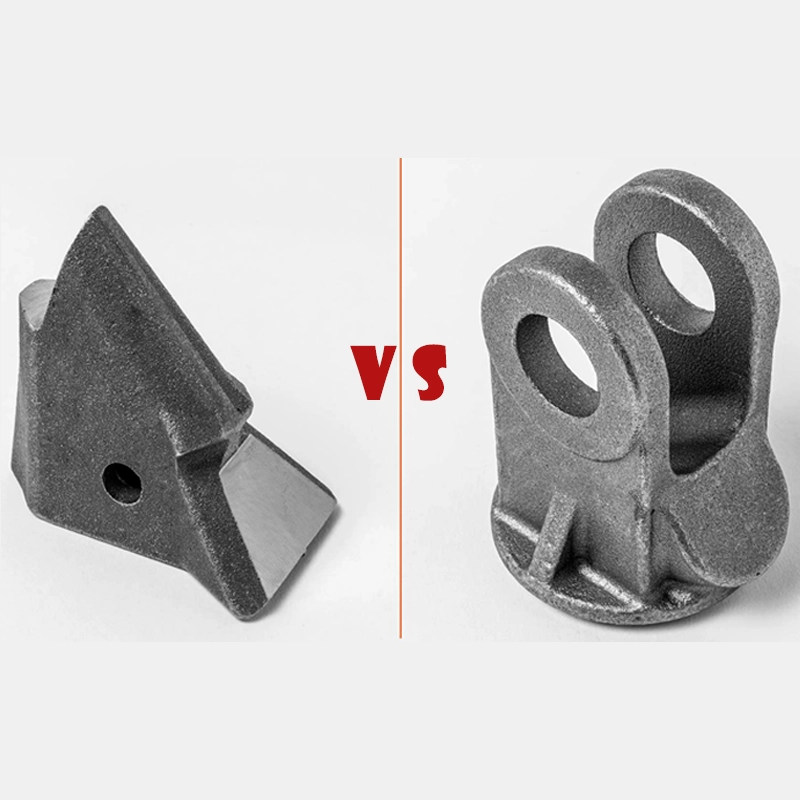
The choice between die casting and sand casting ultimately depends on the specific requirements of your project. If you need high-precision parts, a fast turnaround, and are producing a large volume, die casting is likely the way to go. If you’re working with larger, heavier components and are dealing with smaller production runs or materials that are difficult to cast, sand casting may be the better option.
Final Thoughts
Both die casting and sand casting have their advantages, and each method has its place in the manufacturing world. At TheSunIndustry, we provide expert consulting to help you make the best decision based on your production needs. With our extensive experience in both casting methods, you can trust that we’ll deliver the highest quality parts, tailored to your specifications.
Ready to get started on your next project? Let us help you decide which casting method is best for you!

