

Partnering with the right deep-drawn stamping supplier is a critical decision for any OEM that needs precision custom metal stamping parts. At Thesun Industry, we see the same factors separate reliable partners from risky ones: engineering capability, tooling and pressroom capacity, robust quality systems, and a customer-focused supply chain. Below is a practical, B2B-focused guide to the selection criteria procurement and engineering teams should use when vetting suppliers.
Importance of Deep Drawn Components
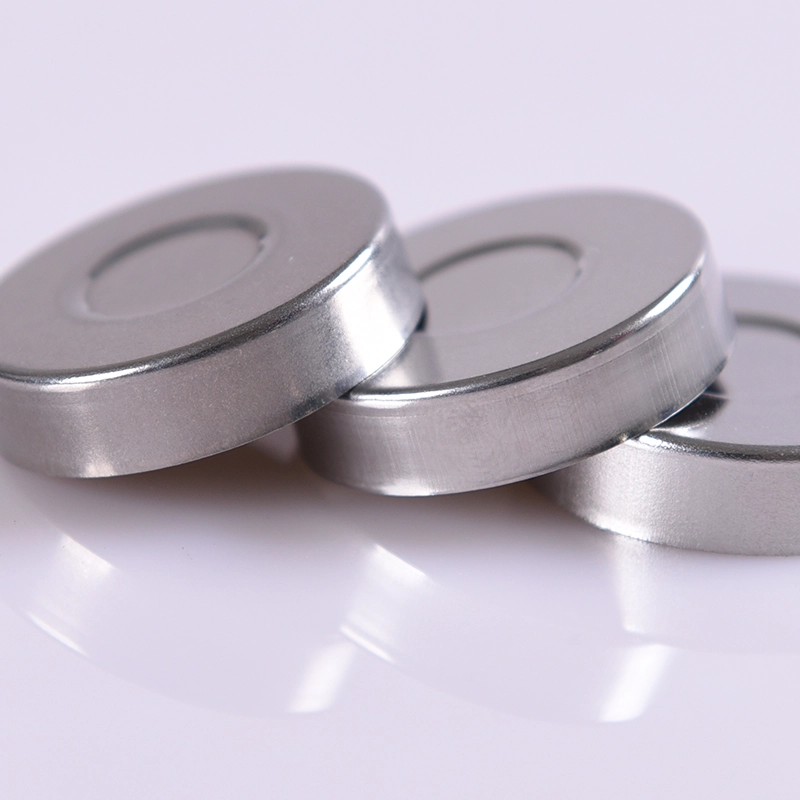
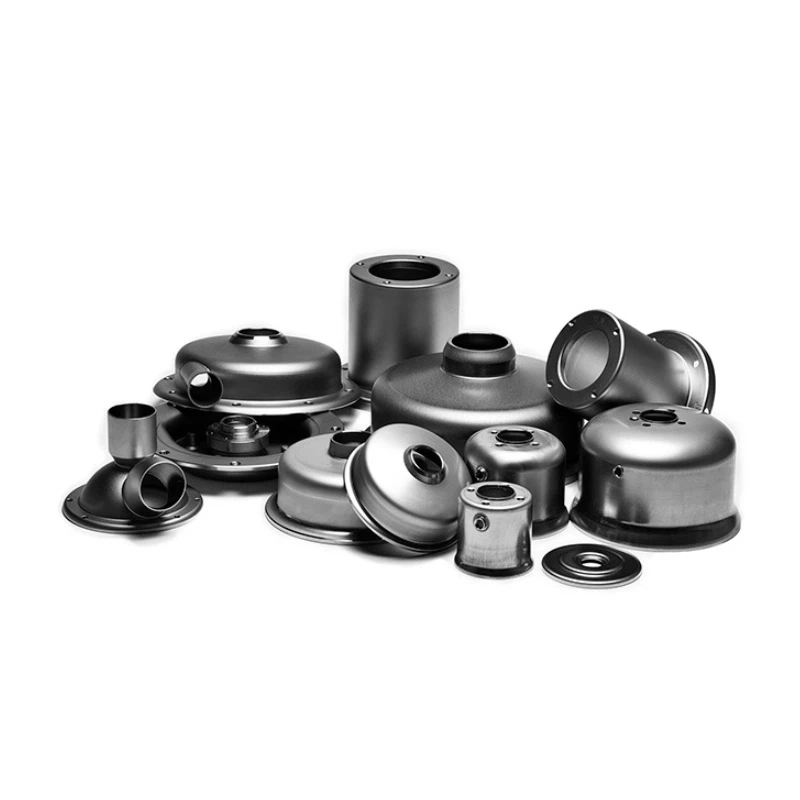
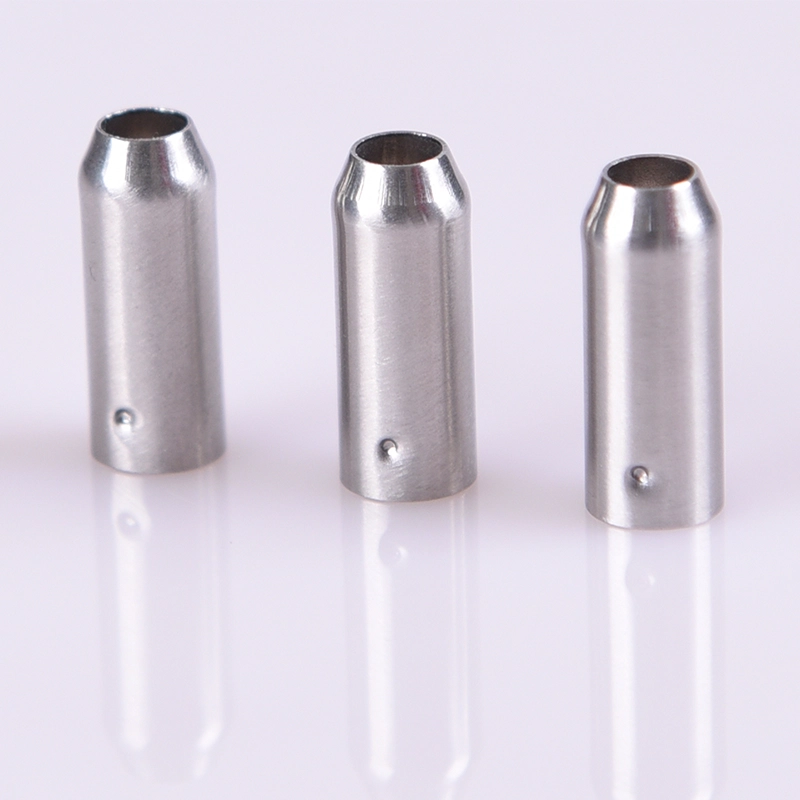
Deep drawing transforms flat metal blanks into complex, hollow shapes — think canisters, housings, sleeves, and precision shells — using progressive dies and controlled forming operations. Compared with machining or welding, deep draw stamping can deliver lower part cost, superior repeatability, and better structural integrity for thin-walled enclosures and high-volume programs. However, success requires exacting tool design, process control, and materials know-how.
Deep Drawn Component Supplier Selection Considerations
Manufacturing Capabilities
Evaluate the supplier’s actual production footprint, not only brochures.
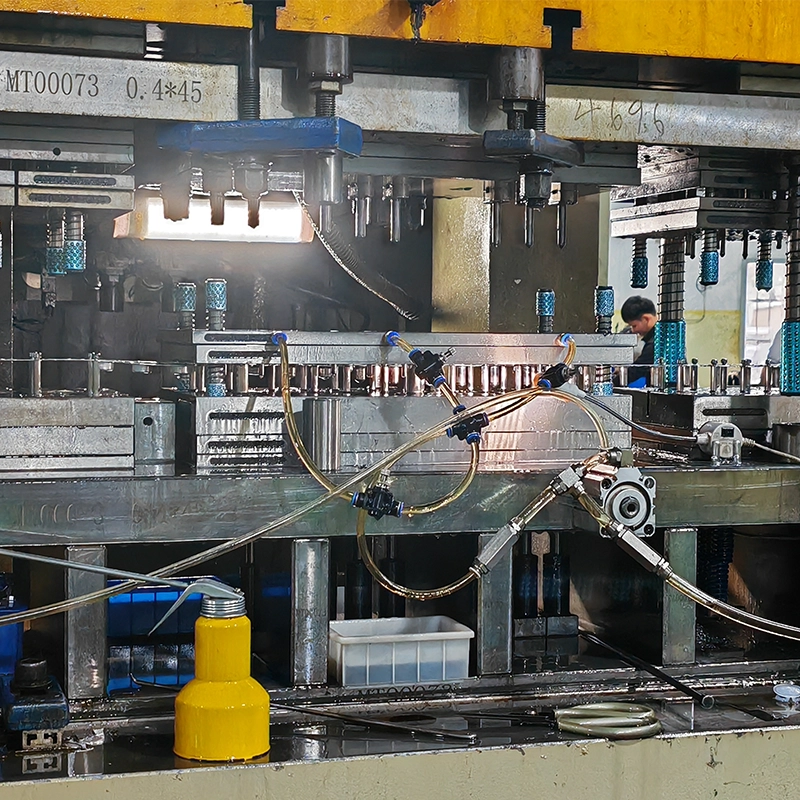
- Press and die capacity: Look for multiple press sizes (mechanical and servo presses), progressive-die capabilities, and blanking/coil-handling equipment sized to your production volumes.
- Toolroom expertise: In-house tool & die design and PVD/CNC tooling capabilities reduce lead times and improve iterative modifications. Ask whether the supplier builds and maintains progressive dies themselves.
- Forming technology: Does the shop use servo presses for tight forming control? Can they perform multi-stage deep draws, redrawing, ironing, and secondary forming operations?
- Secondary operations: Spot welding, laser trimming, hemming, flaring, plating, passivation, powder coating, and assembly capability are often necessary to deliver production-ready assemblies. Suppliers who offer these services lower supply-chain complexity.
- Material breadth: Confirm capability with the alloys you require (stainless steels, aluminum, copper alloys, spring steels) and with incoming coil widths and thicknesses. Deep drawing requires strict control of material properties and surface condition.
Quality Control Policies and Procedures
Quality systems matter—especially in regulated industries.
- Certifications: ISO 9001 is a minimum; IATF 16949 for automotive or AS9100 for aerospace are essential when applicable.
- In-process monitoring: Statistical process control (SPC), tool monitoring, in-line vision systems, and die-try verification reduce escapes.
- Inspection capabilities: On-site metrology (CMM, optical comparators, thickness gauges), first-article inspection (FAI), and ability to produce PPAP documentation.
- Traceability: Lot codes for material, die ID tracking, and retained sample programs facilitate root-cause when issues arise.
- Testing labs: Access to tensile, hardness, and fatigue testing, salt-spray and environmental testing improves confidence for demanding applications.
Competitive and Innovative Drive
A supplier should be proactive, not passive.
- DFM collaboration: Look for teams that provide early Design for Manufacturability (DFM) feedback—wall thickness, draw radii, blank optimization, and tolerance negotiation reduce cost and risk.
- Continuous improvement: Evidence of lean programs, Kaizen events, and tooling lifecycle management indicates a partner focused on cost and quality over the long term.
- R&D investments: Advanced shops invest in simulation (sheet-metal forming, springback compensation) and prototyping tools—these shorten development cycles.
Customer Service
How will the supplier act under pressure?
- Responsiveness: Timely technical responses, rapid sample delivery, and clear escalation paths are indicators of a reliable partner.
- Logistics & inventory support: Kanban, JIT delivery, consignment stocking, and flexible packaging options reduce your internal complexity.
- Change control: Formalized engineering change notices (ECNs) and revision control prevent downstream surprises.
Company Reputation
Reputation is built from references and proven programs.
- References & track record: Ask for case studies in your industry and references that verify delivery, quality, and post-launch support.
- Financial stability: Tooling and production require capital; a supplier with stable finances is less likely to suffer capacity interruptions.
- Supplier network: Strong upstream relationships with steel/aluminum mills and downstream partners for plating/assembly increase resilience.
Certifications
Match the certifications to your program needs.
- ISO 9001 — quality management basics.
- IATF 16949 — automotive supply chain requirements.
- AS9100 — aerospace and defense.
- NADCAP — special processes (heat treat, coatings) where applicable.
- RoHS / REACH compliance for electronics and EU markets.
DFM & Practical Questions to Ask Early
- Can you simulate forming & springback for my geometry?
- What material lot sizes and coil widths do you accept?
- Do you own or outsource die manufacturing? Lead time for die build?
- What is your typical first-article timeline and sample policy?
- How do you monitor die wear and what are your tooling replacement intervals?
- Can you provide PPAP/FAI packages? What are your standard AQLs?
Conclusion
The right deep-drawn stamping partner combines technical depth (tool & die, forming simulation), robust pressroom capability, integrated secondary processes, and mature quality systems. Vendors who offer DFM collaboration, traceable material flows, and responsive logistics turn a risky program into a reliable supply stream.
At Thesun Industry we deliver end-to-end OEM service for custom metal stamping parts: engineering, toolmaking, progressive stamping, finishing, and assembly—backed by strict SPC, FAI/PPAP, and rapid prototyping.
Ready to vet suppliers or start a deep-draw program? Contact our engineering team for a free DFM review, prototype quote, or tooling timeline. Tell us your part print, target volumes, and material spec — we’ll recommend the most manufacturable design and a realistic cost and lead-time plan.
