

So you’ve got a shiny
part in your hands. It’s perfectly cut, precisely shaped, and looks like it could survive a small earthquake. But wait! That raw, unfinished surface? It needs a little TLC before it’s truly ready for the real world. And that’s where surface finishes come in.
Don’t worry, we’re not talking about just slapping some paint on it and calling it a day. We’re talking about treatments that make your parts more durable, less prone to rust, and—let’s be real—way more attractive. This isn’t just for fancy electronics; it’s for all parts, from the ones you’ll never see to the ones proudly displayed on your coffee table.
If you’ve ever found yourself thinking, “Wait, do I really need a surface finish for my CNC part?”—then this guide is for you. We’re going to break it down, explain the how and the why, and even help you figure out what finish you actually need. Spoiler alert: It’s not always about looking pretty!
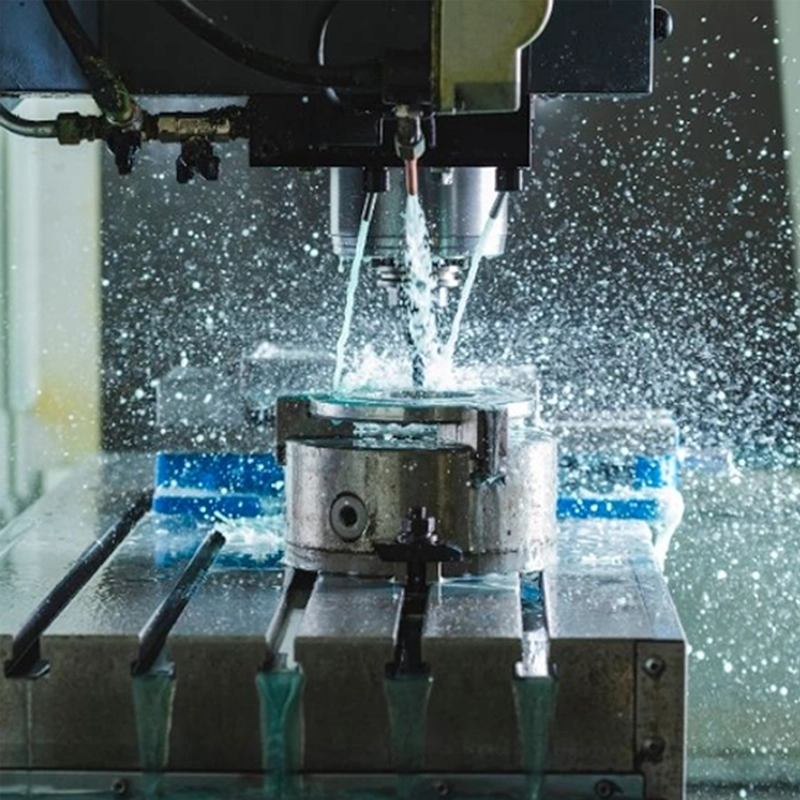
What Is a CNC Surface Finish (And Why Should You Care)?
So, what exactly is a surface finish? In short, it’s the final step where we take your CNC part and give it a little makeover. You know, to make it more functional, durable, and sometimes, just a little bit prettier.
Here’s why it matters:
-
Durability: Unfinished parts are like that friend who never brings an umbrella to a rainy day. They’re vulnerable to wear and tear.
-
Rust Protection: Some metals, like aluminum and steel, are basically magnets for rust. A good surface finish can prevent that.
-
Cleanliness: Some parts—like medical or food equipment—need surfaces that are easy to clean. No one wants a part with crevices where germs can hide.
-
Aesthetics: Yes, we’ll admit it: We all like things that look nice. Surface finishes can take a part from “meh” to “wow,” especially for consumer products.
So yeah, while surface finishes definitely make things look better, their real job is making sure that your part works properly and lasts longer. Who doesn’t want that?
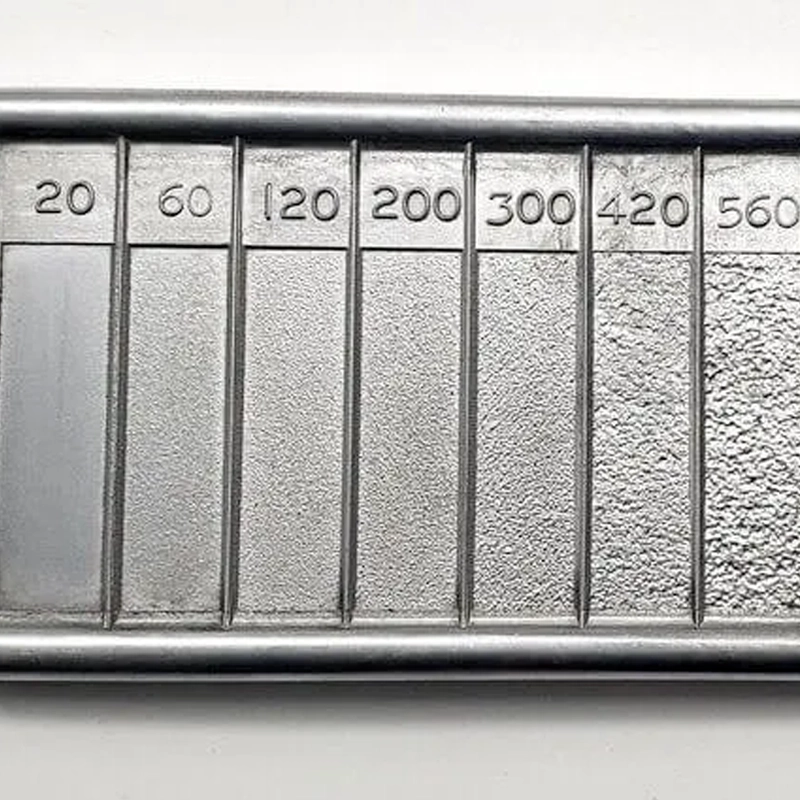
The 8 Most Common Surface Finishes for CNC Machined Parts
Alright, buckle up, because here’s where it gets fun. We’re going to take a look at the most common types of finishes and what they’re good for—no need for any fancy technical jargon. You’ll be a surface finish pro by the end of this.
1. Mechanical Finishes
No chemicals here—just good old-fashioned elbow grease. These finishes are perfect for parts where functionality really matters (not just looks).
-
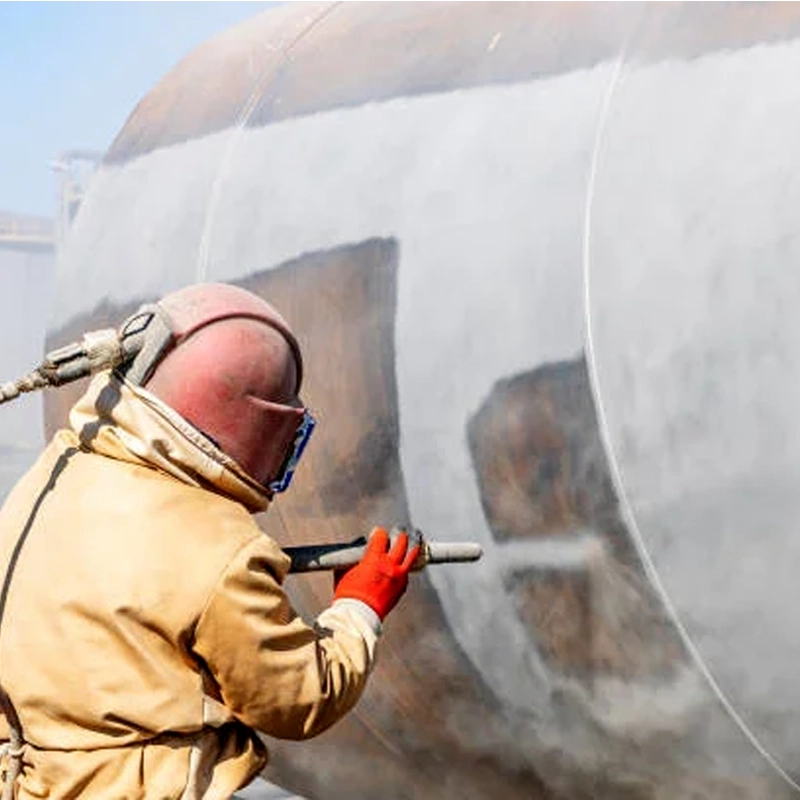
Sandblasting: High-pressure air shoots tiny abrasive particles at the part, smoothing things out and leaving behind a nice matte texture. It’s perfect for hiding those tool marks or preparing parts for a coat of paint. Think of it like “brushing off the cobwebs” on your part.
-
Brushing: Ever seen a brushed stainless steel fridge? That’s what brushing does to your parts—giving them a cool, satin-like finish with subtle lines. It’s like the industrial version of a good hair comb.
-
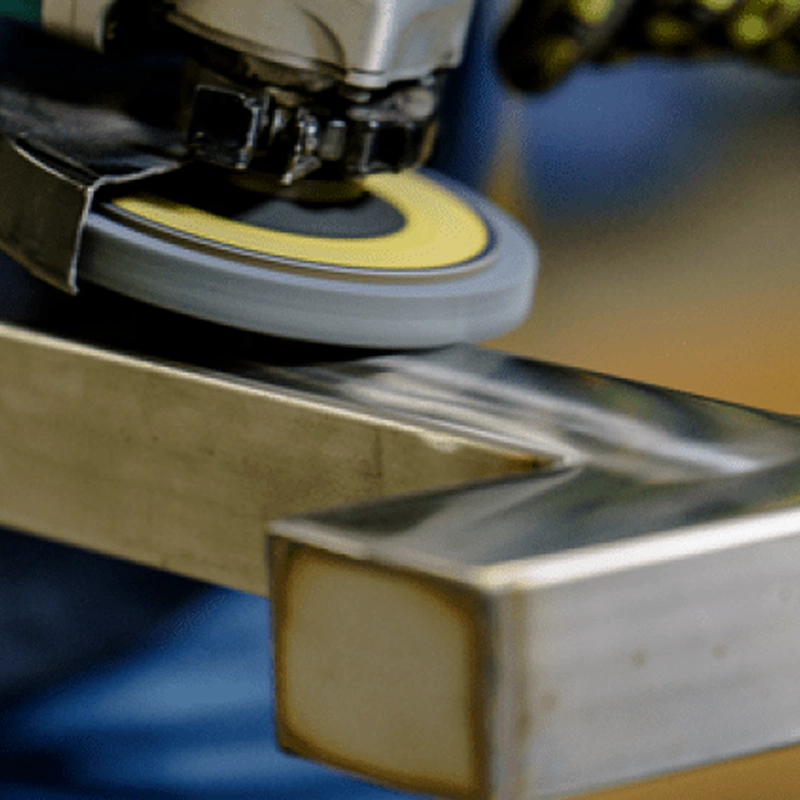
Polishing: Ah, the shiny stuff. Polishing uses abrasive compounds to buff up your part and leave it with a reflective finish. We’re talking mirror-like, folks. This is the “look-at-me” finish for decorative items or parts that need to be pretty and functional (like medical devices or consumer product casings).
2. Chemical Finishes
These finishes are like a chemistry experiment for your part. We’re talking about coatings, treatments, and other chemical magic that change the surface at a molecular level. They’re great for parts exposed to harsh environments.
-
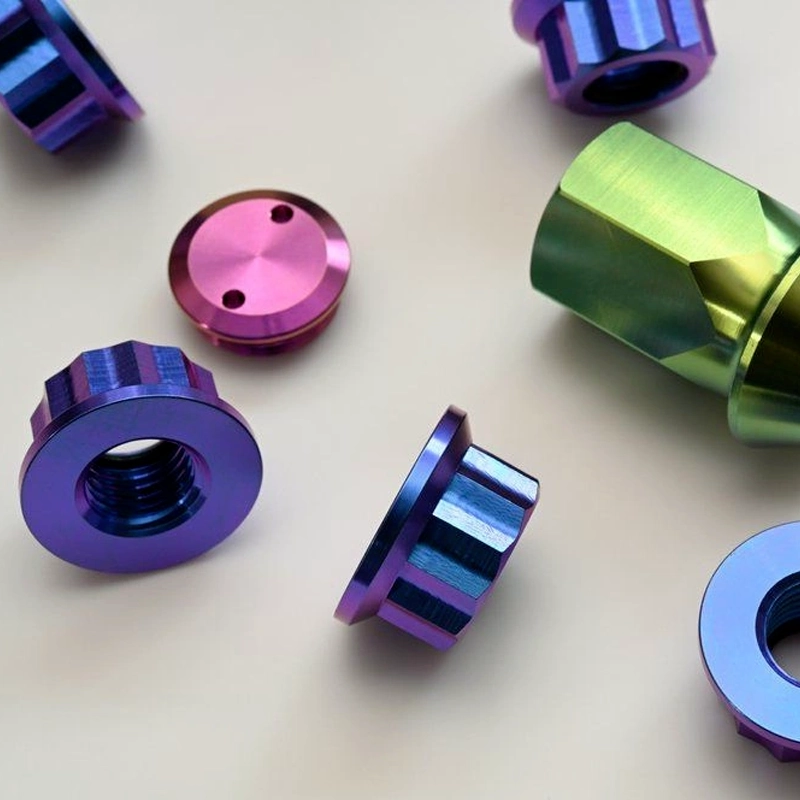
Anodizing: If your part is made of aluminum, you’ve probably heard of anodizing. It’s like giving aluminum a tough new skin that’s resistant to rust and corrosion. Plus, you can dye it in all kinds of colors—so your phone case can match your mood (and your brand).
-
Electroplating: This process coats your part in a thin layer of metal (like zinc, chrome, or nickel) to give it extra protection. Whether it’s shiny chrome for that cool car trim or zinc for a reliable, rust-resistant bolt, electroplating is the go-to for making things stronger without adding bulk.
-
Powder Coating: Imagine spray painting your part, but way better. Powder coating uses a dry powder that’s sprayed onto the surface and then baked, creating a super durable finish that’s resistant to chips and scratches. Think of it as the superhero of surface finishes—strong, durable, and ready to take on the world.
3. Special Finishes
Sometimes, you need something a little more… special. These finishes are for parts that need to meet strict standards, like medical equipment or food-grade components.
-
Passivation: If you’re working with stainless steel, passivation is your go-to. It removes contaminants and boosts the part’s resistance to rust. Ideal for medical tools, food-processing equipment, or anything that’s going to get a lot of wet action.
-
Food-Grade & Medical-Grade Finishes: These finishes are all about safety. Parts that come into contact with food or medical devices need finishes that are easy to clean and resistant to chemicals. Think of it as giving your part a “clean bill of health.”
How to Choose the Right Surface Finish
Now that you know the finishes, let’s figure out which one is right for your project. Here are four simple questions to help you choose the best surface finish without getting lost in the details:
-
Where’s the part going?
-
Outdoor/Exposed to Moisture: Go for anodizing (aluminum), zinc plating (steel), or passivation (stainless steel).
-
Indoor/Dry Use: Brushing, polishing, or sandblasting will do just fine.
-
-
What’s the part’s role?
-
Visible: Choose something shiny—like polishing or anodizing (dyed) for that “wow” factor.
-
Functional: Go for something durable, like sandblasting or powder coating.
-
-
What’s the part made of?
-
Aluminum: Anodizing is the easiest and most versatile option.
-
Steel: Zinc plating for rust protection or powder coating for durability.
-
Plastic: Stick with sandblasting or polishing to avoid heat damage.
-
-
What’s your budget?
-
Low-Cost: Sandblasting, brushing, or zinc plating.
-
Mid-Range: Anodizing or nickel plating.
-
High-End: Polishing (mirror finish) or medical-grade electroplating.
-
Wrapping It Up
Now that you know how important surface finishes are—and how easy it is to choose the right one—you can take your CNC parts to the next level. Whether you need a durable, corrosion-resistant finish for industrial parts or a sleek, polished look for consumer products, there’s a perfect finish for every need.
At Thesunindustry, we’re passionate about delivering high-quality CNC machining and surface finishing services that meet your unique requirements. We’ve helped many customers find the right finish for their parts, and we’d love to help you too.
We’re Curious—What’s Your Priority?
When choosing a surface finish for your CNC parts, what matters most to you—durability, appearance, or something else? Drop your thoughts in the comments below, or get in touch with our team at Thesunindustry to chat more about your project!
